

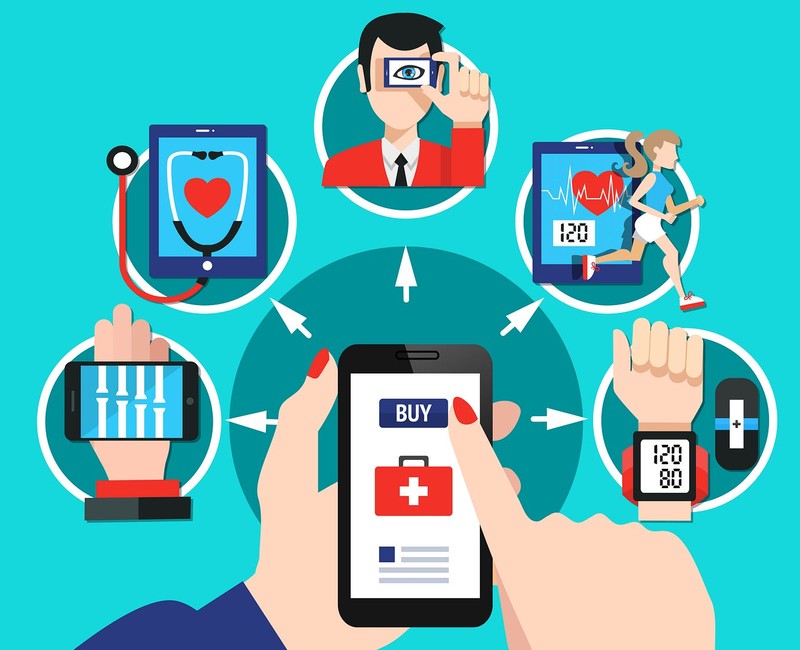
The fragmented state of data poses considerable challenges to healthcare delivery and impedes attempts to enhance patient care. Patient data is frequently dispersed throughout numerous unconnected systems, such as electronic health records (EHRs), lab results databases, imaging repositories, and pharmacy records. These systems might not be able to communicate with one another effectively and may employ disparate formats.
Multiple challenges arise from healthcare systems that are not connected. It could be difficult for clinicians to get a clear picture of a patient’s medical history, which could cause delays in diagnosis and treatment. If service providers are unaware of prior tests or procedures carried out elsewhere, services may be duplicated. Furthermore, it is challenging to monitor population health trends and conduct insightful research to enhance medical procedures due to fragmented data.
In this scenario, interoperability in healthcare provides a revolutionary remedy. It involves the smooth transfer of medical records between various electronic platforms. Patient data can freely move between clinics, hospitals, pharmacies, and other healthcare providers when there is interoperability. This makes it possible to take a more comprehensive approach to a patient’s health and provide care more coordinatedly.
Understanding Interoperability
In essence, healthcare interoperability refers to enabling smooth communication between various healthcare IT systems and dismantling information silos. For instance – a physician has instant access to a patient’s medical records, no matter where the patient received treatment. Interoperability relies on standard data formats and communication protocols for seamless interchange and understanding of data.
Here are some benefits of interoperability for healthcare systems:
Improved Care Coordination
Interoperability facilitates smooth information exchange, promoting a more team-based healthcare approach. The possibility of medication interactions or incompatible treatment modalities can be decreased when clinicians from various specializations collaborate more successfully to create an all-encompassing treatment plan. Furthermore, interoperability can facilitate care transfers between clinics, hospitals, and other healthcare facilities, guaranteeing continuity of treatment and lowering the risk of readmissions.
Enhanced Patient Experience
Navigating various healthcare systems can be confusing and frustrating for patients. By expediting procedures and enabling patients to participate more actively in their care, interoperability can greatly enhance the patient experience.
With interoperable systems, patients can access their lab results, imaging reports, and medication lists online. They can use electronic appointment scheduling, get prescription refills without making repeated calls or in-person visits, and safely share their health information with multiple providers, saving them the trouble of repeating information at every appointment. As a result, patients are better equipped to advocate for their needs and take an active role in their healthcare journey.
More Efficient Healthcare System
Healthcare data fragmentation can result in inefficiencies and higher expenses. A solution is provided by interoperability, eliminating pointless tests and processes. Clinicians can avoid ordering pointless MRIs, blood tests, or X-rays that might have already been done elsewhere when they can access a patient’s medical history. By doing this, waste and needless medical expenses are decreased.
Besides, by enabling healthcare professionals to identify patients who might be more vulnerable to complications or readmissions, thanks to a more complete picture of their medical records, interoperability can enhance resource utilization. Interoperability can help create a more preventive and economical healthcare system by proactively managing these patients’ care needs and allocating resources to those most need them.
Key Challenges to Achieving Interoperability
Even with the enormous advantages, there are several obstacles in the way of achieving true healthcare interoperability:
- Standardization: One of the biggest obstacles is the absence of common data formats and communication protocols amongst healthcare IT systems. The lack of common standards makes data exchange challenging and prone to errors.
- Legacy Systems: Many healthcare facilities still operate with antiquated legacy systems that could be difficult to integrate with modern technology. These system upgrades can be expensive and time-consuming.
- Data Security and Privacy: Because healthcare data is so sensitive, it is essential to protect it both during electronic exchange and in transit. Strong cybersecurity protocols are necessary to stop data breaches and safeguard patient privacy.
The Path Towards a More Interoperable Future
Securing interoperability is critical to constructing a connected healthcare future. This calls for a multifaceted strategy that emphasizes data security, takes advantage of technology developments, and addresses standardization:
The Role of Standardization
Establishing common data formats and communication protocols is the cornerstone for smooth information exchange. Consider speaking different languages. Without a standard translation technique, communication becomes challenging and error-prone. Similarly, healthcare IT systems require a common language for data interchange.
Fast Healthcare Interoperability Resources (FHIR) is one of the standardized data formats that organizations like Health Level Seven (HL7) are actively developing and promoting. The efficient and error-free exchange of patient data throughout the healthcare ecosystem is made possible by these standards, which guarantee that data is consistently structured and understood by various systems.
Leveraging Technology
Technological developments provide effective means of encouraging interoperability. Application Programming Interfaces (APIs) serve as a bridge between various systems, enabling safe data exchange and communication between them. To understand an API, picture it as a waiter in a restaurant who delivers your order (data) from one system to another, the kitchen, for processing.
Cloud computing can offer a central location for patient data that authorized providers can access from anywhere. This guarantees that information is easily accessible at the point of care and does away with the requirement for physical data exchange. New technologies such as blockchain provide creative ways to share data safely and without being altered. Blockchain can produce a safe and transparent record of healthcare data transactions, encouraging cooperation and trust between providers. Blockchain is comparable to a public ledger.
Addressing Data Privacy and Security Concerns
Privacy and data security are the two most important aspects of healthcare interoperability. Strong cybersecurity measures are necessary to protect sensitive patient data during electronic exchange. Consider transmitting a private letter; robust encryption guarantees that the designated recipient can only access the information.
To protect patient privacy, strict laws and data governance frameworks are necessary. Establishing trust via openness and robust data security procedures is essential to deploy interoperable systems effectively. Patients must have peace of mind knowing that their data is handled securely and that only people with permission can access it.
Conclusion
Healthcare interoperability is not just another technical advancement – it is reshaping healthcare with improvements in care coordination, patient empowerment, and more effective management systems. By dismantling data silos and facilitating smooth communication across systems, interoperability opens the door to more effective and affordable healthcare delivery.
However, a completely interoperable healthcare system is still way off. There are still obstacles to be solved, and success requires constant innovation and teamwork. Stakeholders, including standard-setting bodies, technology companies, healthcare providers, and legislators, must actively participate in the process. It is also imperative to prioritize strong data security procedures, encourage innovation in healthcare IT solutions, and invest in creating and adopting standardized data formats.
