

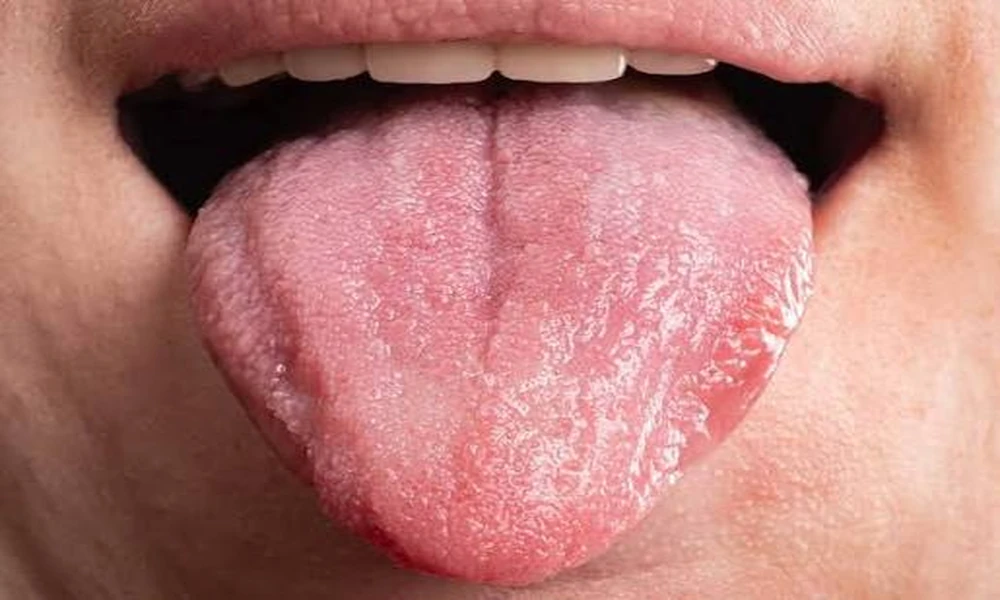
Finishing treatment for oral cancer is often treated as the finish line, the moment families breathe a sigh of relief and assume the hardest part is behind them. In reality, survivorship brings its own set of challenges: difficulty eating, changes in speech, ongoing fatigue, and the emotional weight of wondering whether the cancer will return. This is exactly why an Oral Cancer Doctor for Supportive Care remains just as important after treatment ends as during it.
What Happens to the Body After Oral Cancer Treatment
Oral cancer treatment, whether surgery, radiation, or chemotherapy, can leave lasting physical effects. Patients may struggle with chewing, swallowing, or speaking clearly, depending on which part of the mouth or jaw was affected. Radiation in particular can cause long-term dryness in the mouth and changes in taste that don’t always resolve quickly once treatment is complete.
These aren’t minor inconveniences. They affect a person’s ability to eat properly, communicate comfortably, and maintain the nutrition needed for full recovery. Left unaddressed, they can also affect a patient’s confidence and willingness to engage socially, which is part of why supportive care doesn’t end when active treatment does.
Why Survival Alone Isn’t the Full Picture
Nutrition Becomes a Daily Challenge
Eating is often the first thing that changes after oral cancer treatment. Soft food diets, reduced saliva production, and sensitivity in the mouth can make regular meals difficult, sometimes for months after treatment ends. Ongoing nutritional guidance helps patients rebuild strength without worsening discomfort.
Speech and Communication Take Time to Rebuild
Surgery or radiation involving the tongue, jaw, or throat can change how a patient speaks. Some patients need time, and sometimes therapy, to regain clarity and confidence in speaking, which is easy to overlook once the cancer itself is considered treated.
The Fear of Recurrence Doesn’t Disappear Overnight
Many oral cancer survivors describe ongoing anxiety around checkups, scans, and even minor mouth sores, worried they might signal a return of the disease. This emotional layer of survivorship is real, and it’s part of why continued support matters well past the last treatment session.
The Role of Continued Supportive Care
Monitoring for Long-Term Side Effects
Regular follow-up isn’t just about checking for recurrence. It’s also about catching and managing lingering side effects like dry mouth, jaw stiffness, or dental complications before they become bigger problems.
Rebuilding Strength Gradually
Recovery after oral cancer treatment is rarely immediate. A structured, patient-specific approach to nutrition and physical recovery helps survivors regain strength at a pace that matches their body’s actual healing, rather than a generic timeline.
Addressing the Emotional Side of Survivorship
Counselling and consistent communication with a care team can help survivors process the anxiety that often follows treatment, rather than carrying it silently.
The Value of an Integrative Approach to Survivorship
An Integrative Oral Cancer Specialist looks at survivorship as a continuation of care, not a separate phase disconnected from treatment. Dr. Tarang Krishna, Managing Director of Cancer Healer Center, has built his approach around this idea, working with oral cancer patients to address nutrition, symptom management, and emotional wellbeing well beyond the point where conventional treatment concludes.
This kind of continued, coordinated support is often what separates patients who feel like they’re truly recovering from those who feel like they’re simply waiting for something to go wrong.
What Survivors and Families Should Ask
Patients navigating life after oral cancer treatment often benefit from asking direct questions of their care team: What long-term side effects should I expect, and how are they managed? How often should follow-up visits happen, and what do they actually check for? Is there support available for nutrition and emotional wellbeing, not just physical monitoring? A good care team, including specialists focused specifically on supportive and integrative approaches, should be able to answer these clearly.
Moving Forward After Treatment
Surviving oral cancer is a significant milestone, but it isn’t the end of the story. The months and years that follow bring their own physical and emotional demands, and patients deserve care that acknowledges this rather than treating survivorship as an afterthought. Supportive care, delivered consistently and thoughtfully, is often what determines whether survival translates into a genuinely good quality of life.
FAQs
Does supportive care end once oral cancer treatment is complete?
No. Many of the physical and emotional effects of oral cancer treatment continue well after active treatment ends, which is why ongoing supportive care remains important during survivorship.
What are common long-term side effects after oral cancer treatment?
Common effects include difficulty eating or swallowing, dry mouth, changes in speech, and jaw stiffness, particularly after radiation or surgery involving the mouth and jaw area.
How can nutrition support recovery after oral cancer treatment?
A tailored, soft-food-friendly nutrition plan can help survivors rebuild strength without aggravating mouth sensitivity or swallowing difficulties, especially in the months right after treatment.
Is it normal to feel anxious about recurrence after finishing treatment?
Yes. Many oral cancer survivors experience ongoing anxiety around follow-up scans and minor symptoms. This is a common part of survivorship, and support from a care team can help manage it.
How often should oral cancer survivors have follow-up checkups?
Follow-up schedules vary by individual case, but regular monitoring is generally recommended in the months and years after treatment to track healing and catch any long-term complications early.
