

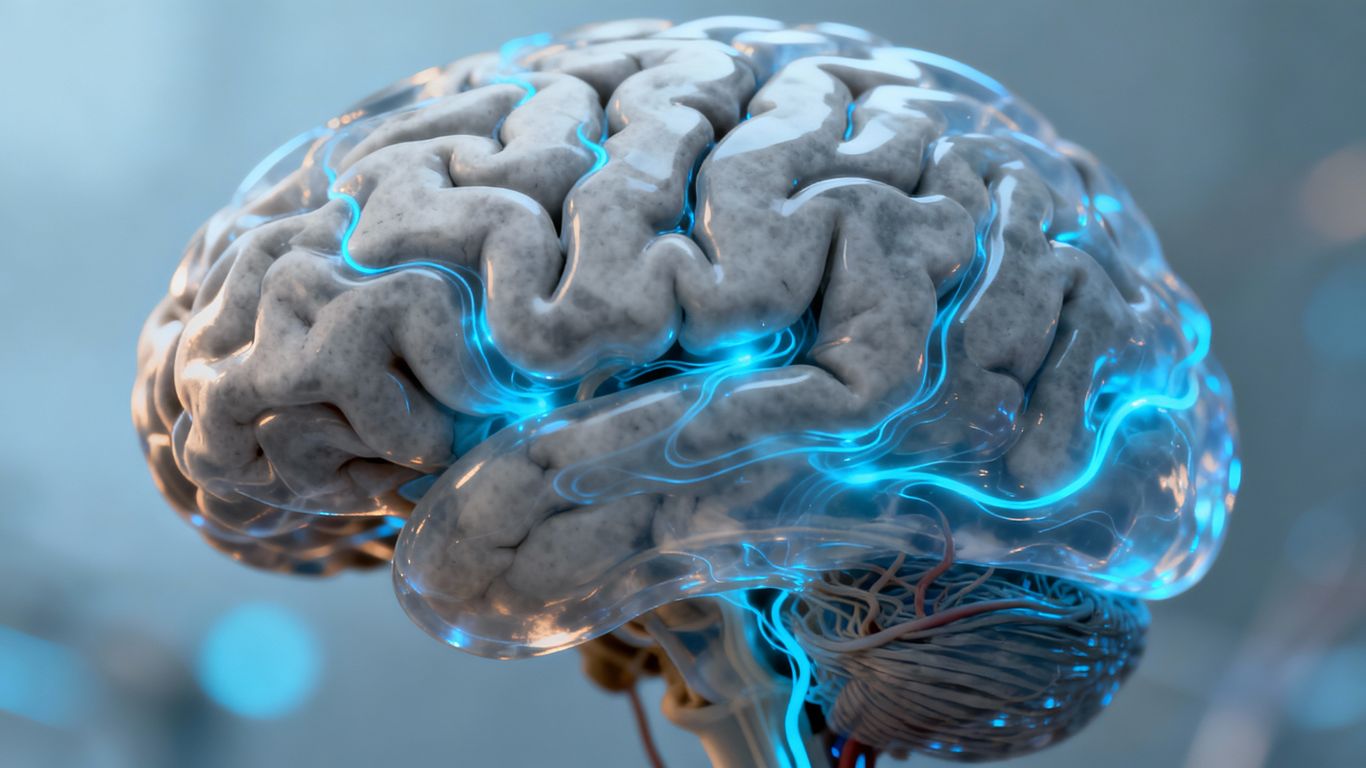
Hydrocephalus is a condition where there’s too much cerebrospinal fluid (CSF) in the brain. This fluid normally cushions the brain and spinal cord, but when it builds up, it can put pressure on these delicate tissues. This pressure can cause serious problems if not addressed.
What is Hydrocephalus?
Basically, hydrocephalus means ‘water on the brain.’ It happens when the normal flow or absorption of CSF is blocked. Think of it like a plumbing system in your house; if a pipe gets clogged, water backs up. In the brain, this backup of CSF can lead to enlarged ventricles, which are the spaces within the brain that hold the fluid. This enlargement is what causes the increased pressure.
The Role of Cerebrospinal Fluid
Cerebrospinal fluid, or CSF, is a clear liquid that circulates around the brain and spinal cord. It does a few important jobs:
- Protection: It acts as a shock absorber, protecting the brain from injury.
- Nutrient Supply: It carries nutrients to the brain and spinal cord.
- Waste Removal: It helps remove waste products from the brain.
CSF is constantly being produced and reabsorbed. When this balance is disrupted, hydrocephalus can occur.
Types of Hydrocephalus
There are a few ways hydrocephalus can be categorized. One common way is by how it develops:
- Communicating Hydrocephalus: This happens when the CSF can still flow between the ventricles, but there’s a problem with how it’s absorbed into the bloodstream. It’s like a drain that’s partially blocked.
- Non-communicating Hydrocephalus: This is more common and occurs when there’s a blockage in the flow of CSF within the ventricles or between the ventricles and the subarachnoid space. The plumbing is completely blocked somewhere.
- Normal Pressure Hydrocephalus (NPH): This type typically affects older adults and involves enlarged ventricles, but the CSF pressure might be normal or only slightly elevated. The symptoms can be subtle and often mistaken for other age-related conditions.
Identifying the Causes of Hydrocephalus
Hydrocephalus, a condition characterized by an abnormal buildup of cerebrospinal fluid (CSF) in the brain’s ventricles, can arise from a variety of factors. Understanding these causes is key to diagnosis and effective management. The reasons behind this fluid accumulation can be broadly categorized into congenital and acquired forms, with genetic predispositions also playing a role.
Congenital Hydrocephalus
This type of hydrocephalus is present at birth or develops shortly thereafter. It often results from developmental issues during pregnancy. Some common causes include:
- Neural tube defects: Conditions like spina bifida can affect the development of the brain and spinal cord, leading to CSF flow blockages.
- Aqueductal stenosis: This is a narrowing of the aqueduct of Sylvius, a small passageway connecting the third and fourth ventricles. It’s a frequent cause of congenital hydrocephalus, impeding CSF circulation. You can find more information on various causes.
- Cerebral malformations: Abnormalities in the brain’s structure can disrupt the normal pathways for CSF.
- Intrauterine infections: Infections contracted by the fetus during pregnancy can cause inflammation and scarring, obstructing CSF flow.
Acquired Hydrocephalus
Acquired hydrocephalus develops after birth due to external factors or events. These can include:
- Head injuries: Traumatic brain injuries can lead to bleeding or swelling that obstructs CSF pathways.
- Brain tumors: Tumors can press on the ventricles or block CSF flow.
- Meningitis and other infections: Infections of the brain and its surrounding membranes can cause inflammation and blockages.
- Hemorrhages: Bleeding within the brain, such as subarachnoid hemorrhage, can interfere with CSF absorption.
- Complications from surgery: In rare instances, brain surgery can lead to complications that result in hydrocephalus.
Genetic Factors in Hydrocephalus
While many cases of hydrocephalus are not directly inherited, certain genetic factors can increase a person’s risk. Some forms of congenital hydrocephalus have a known genetic basis, often linked to specific gene mutations that affect brain development or CSF dynamics. In families with a history of hydrocephalus, genetic counseling may be recommended to assess the risk for future generations. The interplay between genetic predisposition and environmental factors is complex and continues to be an area of active research.
Recognizing the Symptoms of Hydrocephalus
Spotting hydrocephalus can be tricky because the signs change depending on how old the person is. It’s not always obvious right away, and sometimes symptoms can creep up slowly. Paying attention to these changes is key to getting help sooner.
Infant Symptoms of Hydrocephalus
In babies, hydrocephalus can show up in a few ways. Their heads might seem larger than usual, or the soft spot on top (the fontanelle) might bulge out. You might also notice:
- Increased irritability or fussiness
- Unusual sleepiness or difficulty waking up
- Problems with feeding, like poor sucking or vomiting
- A high-pitched cry
These symptoms can be subtle, and sometimes parents might just think the baby is having a fussy day. But if you see a pattern or several of these signs together, it’s worth mentioning to a doctor. Early detection is really important for babies with this condition.
Symptoms in Older Children and Adults
As children get older and into adulthood, the symptoms of hydrocephalus tend to shift. Instead of head size changes, you might see:
- Persistent or severe headaches, often worse in the morning
- Nausea and vomiting
- Vision problems, like blurred or double vision
- Balance issues and difficulty walking
- Changes in personality or behavior
- Memory problems or difficulty concentrating
Sometimes, these symptoms can be mistaken for other common issues like migraines or stress. However, if they are ongoing or worsening, it’s important to consider the possibility of hydrocephalus. Getting a proper diagnosis can help manage the condition and prevent further complications. You can find more information about symptoms and diagnosis.
Neurological Signs Associated with Hydrocephalus
Beyond the more general symptoms, hydrocephalus can also affect the brain’s function, leading to specific neurological signs. These can include:
- Impaired coordination: Difficulty with fine motor skills or overall clumsiness.
- Seizures: In some cases, the increased pressure can trigger seizures.
- Cognitive decline: A noticeable worsening of thinking abilities, problem-solving, and learning.
- Changes in gait: A stiff or unsteady way of walking.
These neurological changes are often a sign that the excess cerebrospinal fluid is putting significant pressure on brain tissues. Recognizing these signs is vital for seeking timely medical attention and starting appropriate treatment options.
Diagnostic Approaches for Hydrocephalus
Figuring out if someone has hydrocephalus involves a few steps. It’s not just one test that tells the whole story. Doctors usually start with the basics and then move to more specific tests if needed.
Medical History and Physical Examination
First off, a doctor will talk to you or the patient’s caregivers about what’s been going on. They’ll ask about symptoms, when they started, and any changes noticed. This part is really important because it gives the doctor clues. They’ll also do a physical check-up. For babies, this might mean measuring their head circumference, which can grow unusually fast if there’s excess fluid. They’ll also check reflexes and muscle tone. A thorough history and physical exam lay the groundwork for all further testing.
Neuroimaging Techniques
Once the initial checks are done, doctors often use imaging tests to get a look inside the brain. These are super helpful for seeing the ventricles, which are the fluid-filled spaces in the brain. If they’re enlarged, it’s a strong sign of hydrocephalus.
- Ultrasound: This is often the first imaging test used for newborns. It’s non-invasive and can show enlarged ventricles. It’s particularly useful because a baby’s skull bones are still soft and haven’t fused yet.
- CT Scan (Computed Tomography): This scan uses X-rays to create detailed cross-sectional images of the brain. It can quickly show the size of the ventricles and identify blockages in the flow of cerebrospinal fluid (CSF).
- MRI (Magnetic Resonance Imaging): MRI uses magnetic fields and radio waves to create very detailed images of the brain. It provides more information than a CT scan and can show subtle changes in brain tissue, helping to pinpoint the exact cause of the hydrocephalus and any potential damage.
Cerebrospinal Fluid Pressure Monitoring
Sometimes, imaging alone isn’t enough. Doctors might need to measure the pressure of the cerebrospinal fluid (CSF) directly. This is done using a small device inserted into the brain or the spinal canal. It helps determine if the pressure is abnormally high, which is a key characteristic of hydrocephalus. This monitoring can be done over a period of time to see how the pressure changes. It gives doctors a clearer picture of how the CSF is behaving and can help guide treatment decisions, especially in complex cases.
Effective Treatment Options for Hydrocephalus
When hydrocephalus is diagnosed, the primary goal of treatment is to reduce the pressure inside the skull caused by the buildup of cerebrospinal fluid (CSF). Several approaches exist, and the best option often depends on the individual’s age, the cause of the hydrocephalus, and their overall health.
Surgical Intervention: Shunt Placement
One of the most common ways to manage hydrocephalus is through the surgical placement of a shunt system. This is a medical device that helps drain the excess CSF from the brain to another part of the body where it can be absorbed. Think of it like a tiny plumbing system for the brain. The system typically has three parts:
- A catheter that is placed in the brain’s ventricles (the fluid-filled spaces).
- A valve that controls the flow of CSF.
- Another catheter that carries the fluid to an area like the abdomen or a chamber in the heart.
This procedure has been a lifeline for many individuals with hydrocephalus, significantly improving their quality of life. While shunts are generally effective, they can sometimes malfunction or become infected, requiring further surgery. Regular check-ups are important to monitor the shunt’s performance. You can find more information about brain shunts and how they work.
Endoscopic Third Ventriculostomy (ETV)
Another treatment option, particularly for certain types of obstructive hydrocephalus, is Endoscopic Third Ventriculostomy (ETV). This procedure involves using a small camera and instruments to create a tiny opening in the floor of the third ventricle. This opening allows the CSF to bypass the blockage and flow normally. ETV is a less invasive option than shunt surgery because it doesn’t involve implanting a foreign device. However, it’s not suitable for everyone, and its success rate can vary. Sometimes, ETV is performed in combination with another procedure called choroid plexus cauterization (CPC) for infants.
Managing Hydrocephalus Complications
Beyond the primary treatments, managing hydrocephalus also involves addressing any complications that may arise. These can include infections, shunt malfunctions, or developmental delays. For individuals with shunts, regular medical follow-ups are key to catching potential issues early. Therapies such as physical, occupational, and speech therapy can also play a significant role in helping individuals reach their full potential. The medical team will work closely with the patient and their family to create a personalized management plan.
Living with Hydrocephalus: Prognosis and Support
Long-Term Outlook for Hydrocephalus Patients
The long-term outlook for individuals with hydrocephalus can vary quite a bit. It really depends on several things, like how severe the condition was initially, how quickly it was diagnosed and treated, and if there were any other health issues involved. For many, especially those treated early, life can be quite normal. However, some individuals might face ongoing challenges. Regular medical check-ups are a key part of managing hydrocephalus over time. These appointments help doctors keep an eye on things and catch any potential problems early on. It’s not uncommon for people to need follow-up treatments or adjustments to their care plan as they grow and change. The Hydrocephalus Association offers a lot of information and resources for families navigating this journey finding a cure.
Rehabilitation and Therapy
Rehabilitation and therapy play a big role in helping individuals with hydrocephalus reach their full potential. Depending on the specific needs of the person, this can include a range of services:
- Physical Therapy: This helps with motor skills, balance, and coordination. It can be really beneficial for regaining strength and improving mobility.
- Occupational Therapy: This focuses on daily living activities, like dressing, eating, and schoolwork. It helps people develop skills needed for independence.
- Speech Therapy: If there are communication or swallowing difficulties, speech therapists can provide targeted support.
- Educational Support: Many children with hydrocephalus benefit from special education services or accommodations in school to help them succeed academically.
These therapies are tailored to the individual and are often adjusted as their needs change. The goal is always to improve quality of life and promote independence.
Coping Strategies and Support Networks
Living with hydrocephalus, whether as a patient or a caregiver, can bring its own set of emotional and practical challenges. Building a strong support system is incredibly important. This often involves connecting with others who understand what you’re going through. Support groups, both online and in-person, can be a great place to share experiences, get advice, and find emotional comfort. Families often find it helpful to educate themselves about the condition and available resources. Open communication within the family and with healthcare providers is also vital. Remembering that you are not alone is a powerful coping strategy. Many organizations and communities exist to provide guidance and a sense of belonging for those affected by hydrocephalus.
Hydrocephalus Birth Injury
- Birth Injury Justice Center – Hydrocephalus
- ABC Law Centers – Brain Injuries
- Cerebral Palsy Guidance – Associated Disorders
- Miller & Zois – Forceps Birth Injuries & Hydrocephalus
- Lawsuit Information Center – Birth Injury Law
- The CP Lawyer – Birth Injury Resources
- Birth Injury Law Alliance – Birth Complications
- Birth Injury Guide – Hydrocephalus
- JJS Justice – Hydrocephalus Birth Injury
- Birth Injury Lawyer – Birth Injuries
- Birth Injury Center – Hydrocephalus