

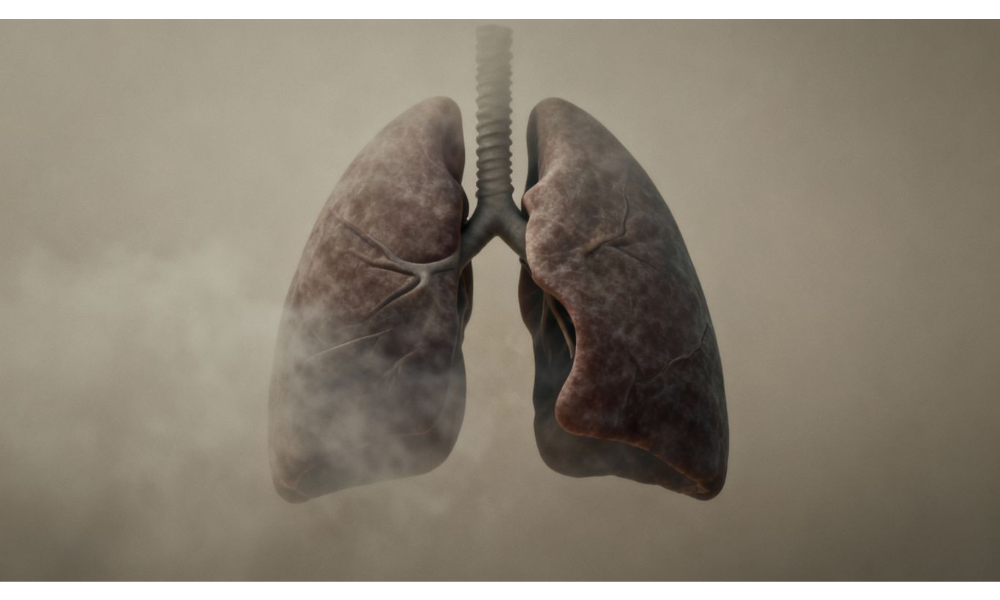
What is Asbestos?
Asbestos refers to a group of naturally occurring minerals that have been widely used in various industries due to their heat resistance and insulating properties. These minerals are made up of thin, durable fibers that can be easily inhaled. When these microscopic fibers enter the lungs, they can cause significant damage over time. The danger lies in their ability to become lodged in lung tissue, leading to inflammation and scarring.
Historical Uses of Asbestos
For much of the 20th century, asbestos was a popular building material. Its use was widespread in:
- Insulation for pipes, boilers, and attics
- Fireproofing materials in buildings
- Ceiling and floor tiles
- Automotive parts like brake pads and clutches
Because it was so common, many people were exposed to asbestos without even knowing it, especially those working in construction, shipbuilding, and manufacturing. Even though its use has been significantly restricted in many countries today, the legacy of asbestos continues to pose health risks, particularly concerning lung cancer.
How Asbestos Causes Lung Cancer
Inhalation of Asbestos Fibers
It all starts with the fibers. Asbestos, a naturally occurring mineral, is made up of tiny, durable fibers. When materials containing asbestos are disturbed, like during construction or demolition, these fibers can become airborne. If these microscopic particles are inhaled, they can travel deep into the lungs. Once inside, they can lodge themselves in the lung tissue. Unlike other inhaled particles that the body can often expel, asbestos fibers are resistant to breakdown. This means they can stay in the lungs for a very long time, setting the stage for potential problems. Understanding how exposure happens is the first step in grasping the risk, and it’s important to know that [exposure to asbestos] can occur in various settings.
Cellular Damage and Carcinogenesis
So, what happens after these fibers take up residence? The body’s natural defense mechanisms try to deal with the foreign invaders, but they often can’t get rid of the tough asbestos fibers. This ongoing irritation and inflammation can start to damage lung cells. Over time, this damage can lead to changes in the cells’ DNA. These genetic mutations are what can eventually cause cells to grow uncontrollably, forming tumors. It’s a slow process, but the persistent presence of the fibers means the damage can accumulate. The body’s attempts to repair the damage can sometimes go wrong, leading to cancerous growth.
Latency Period of Asbestos-Related Cancers
One of the most concerning aspects of asbestos-related lung diseases, including cancer, is the long time it takes for symptoms to appear. This is known as the latency period. It’s not uncommon for decades to pass between the initial exposure to asbestos and the diagnosis of lung cancer. This lengthy delay means that individuals might not realize they are at risk until many years after they were actually exposed. This can make it difficult to connect past work or environmental exposures to current health issues. The typical latency period can range from 10 to 40 years, sometimes even longer, depending on various factors.
Factors Influencing Asbestos Exposure Lung Cancer Risk
It’s not a simple case of ‘you were exposed, so you’ll get cancer.’ Several things play a role in whether asbestos exposure leads to lung cancer. Think of it like a recipe; you need the right ingredients in the right amounts for something to happen.
Duration and Intensity of Exposure
This is a big one. The longer someone works with asbestos and the more fibers they breathe in, the higher their risk. Someone who worked in an asbestos mine for 20 years is likely to have a different risk profile than someone who briefly visited a construction site where asbestos was present. It’s about the cumulative dose. Even short, intense exposures, like during a major asbestos cleanup, can be significant.
Type of Asbestos Fiber
Not all asbestos is the same. There are different types, and they’re often grouped into two main categories: serpentine (like chrysotile) and amphibole (like amosite and crocidolite). Amphibole fibers tend to be straighter and sharper, and research suggests they might be more likely to cause lung cancer than serpentine fibers. This difference in shape and structure affects how the fibers behave once they get into the lungs.
Individual Susceptibility
People react differently to things, and asbestos is no different. Some individuals seem to be more prone to developing asbestos-related diseases than others, even with similar exposure levels. Factors like genetics can play a part. Also, smoking is a massive multiplier. If someone smokes and is exposed to asbestos, their risk of lung cancer skyrockets compared to a non-smoker with the same asbestos exposure. It’s a dangerous combination.
Recognizing Symptoms of Asbestos-Related Lung Disease
It can take a long time for asbestos-related lung problems to show up. Sometimes, symptoms don’t appear for decades after exposure. This makes it tricky to connect the dots. When they do start to show, they often mimic other common lung issues, which can delay diagnosis. Paying attention to persistent respiratory changes is key.
Shortness of Breath and Cough
One of the most common signs is a feeling of breathlessness, especially during physical activity. This might start subtly, perhaps noticing you get winded more easily than before. A persistent, dry cough that doesn’t seem to go away is another frequent complaint. It’s not just a tickle in the throat; it can be a deep, nagging cough that irritates the lungs. Over time, these symptoms can worsen, impacting daily life.
Chest Pain and Other Respiratory Issues
Beyond breathing difficulties and coughing, individuals might experience chest pain. This pain can feel like a tightness or a dull ache, often located in the lower chest or abdomen. It might become more noticeable when breathing deeply or coughing. Other signs can include:
- Wheezing, a whistling sound when breathing.
- Unexplained weight loss.
- Fatigue or feeling unusually tired.
- Fingertip changes, like clubbing, where the ends of the fingers widen and become rounded. This can be a sign of low blood oxygen levels, a condition known as hypoxemia, which can result from advanced asbestosis. You might also notice fine crackles at the base of the lungs when a doctor listens with a stethoscope advanced asbestosis.
It’s important to see a doctor if you have a history of asbestos exposure and develop any of these symptoms. Early detection can lead to better management of lung conditions.
Diagnosing Asbestos-Related Lung Cancer
Figuring out if someone has lung cancer linked to asbestos isn’t always straightforward. It often takes a few different steps to get a clear picture. Doctors need to gather a lot of information to make sure they’re on the right track.
Medical History and Occupational Assessment
First off, a doctor will want to know about your past. This means asking about your work history, especially if you ever worked in jobs where asbestos exposure was common. Think construction, shipbuilding, or manufacturing. They’ll also ask about your general health and any symptoms you’ve been experiencing. This part is really important because it helps them understand potential risks. A thorough occupational assessment is a key starting point.
Imaging and Biopsy Procedures
Once the medical history is reviewed, imaging tests are usually next. These can include:
- X-rays: These give a basic look at your lungs.
- CT scans: These provide more detailed images, showing smaller changes or abnormalities.
If these scans show something concerning, the next step is often a biopsy. This is where a small piece of tissue is taken from the lung. Pathologists then look at this tissue under a microscope to see if cancer cells are present. This is how mesothelioma is definitively diagnosed. Sometimes, doctors might also analyze fluid buildup around the lungs. These procedures help confirm the diagnosis and figure out the exact type of lung disease.
Preventing Asbestos Exposure Lung Cancer Risk
Preventing exposure to asbestos is the most effective way to reduce the risk of developing asbestos-related lung diseases, including lung cancer. While historical uses of asbestos were widespread, understanding current risks and taking appropriate precautions is vital.
Occupational Safety Measures
For individuals working in industries where asbestos may still be present, strict safety protocols are paramount. These measures are designed to minimize fiber release and worker exposure.
- Personal Protective Equipment (PPE): Workers should always use appropriate respirators, disposable coveralls, and gloves when there’s a potential for asbestos disturbance.
- Work Area Containment: Areas where asbestos is being handled or removed must be properly sealed off to prevent fibers from spreading to other parts of the worksite or building.
- Wet Methods: Using water or other wetting agents during asbestos removal or disturbance can significantly suppress dust and airborne fibers.
- Training and Monitoring: Regular training on safe asbestos handling procedures and air monitoring to check exposure levels are critical components of occupational safety.
Home Renovation Precautions
Many older homes contain asbestos in building materials like insulation, flooring, and roofing. Disturbing these materials during renovations can release fibers into the air.
- Identification: Before starting any renovation, especially in homes built before the 1980s, have suspect materials tested by a qualified professional to check for asbestos.
- Professional Abatement: If asbestos is found, it is strongly recommended to hire certified asbestos abatement professionals for removal or encapsulation. DIY removal is generally not advised due to the high risk of exposure.
- Minimize Disturbance: If minor disturbance is unavoidable and professional removal is not feasible, take extreme care to avoid breaking, cutting, or sanding asbestos-containing materials. Use wet methods and ensure good ventilation to the outside, away from living areas.
Awareness and Education
Understanding the risks associated with asbestos is the first step in prevention. Public awareness campaigns and educational resources play a significant role in informing people about potential hazards and safe practices.
- Know the Risks: Educate yourself and your family about where asbestos might be found in older buildings and the health consequences of exposure.
- Report Suspected Hazards: If you encounter suspected asbestos in public spaces or workplaces, report it to the relevant authorities or building management.
- Stay Informed: Keep up-to-date with regulations and best practices regarding asbestos management and removal. Knowledge is key to protecting yourself and others from this silent threat.
