

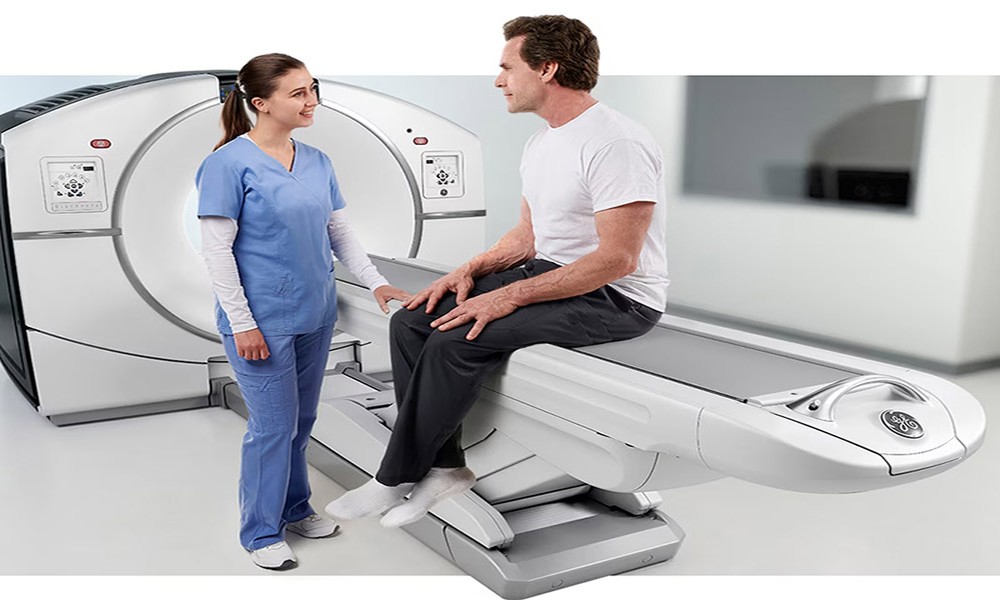
A whole body PET-CT Scan is an advanced imaging test that produces detailed images of what is happening inside the body. Unlike a regular CT scan that only shows the shape and structure of organs, a PET-CT scan combines two modalities: PET Scan and CT scan to visualise the activity of body organs and tissues. This makes PET Scan a prompt and definitive diagnostic technique given the fact that diseases often begin at a cellular level.
Why is a PET-CT scan recommended?
A PET scan may be done for various reasons, but the most common reasons are given below:
- For detecting cancer
As compared to healthy cells, cancer cells use more glucose, to multiply and spread. Due to this high level of chemical activity, cancer cells show up as bright spots on PET scans. This allows PET-CT scan to easily detect new or recurrent cancers. For instance, Prostate-specific membrane antigen (PSMA) scans are a novel method for both the initial staging of prostate cancer in men and for restaging of men with suspected recurrent prostate cancer. Alternatively, a PSMA PET scan may be used to determine the extent to which prostate cancer has spread.
- Heart problems
PET scans reveal areas in which there is poor blood flow to the heart. It is because healthy heart tissue absorbs more radioactive tracer than unhealthy tissue. Different colors and degrees of brightness show how the tissue is functioning, helping you and your doctor decide the best way to move forward.
- Brain disorders
PET-CT scans can provide 2D and 3D images of brain activity by measuring the radiotracers injected into the bloodstream. These scans are useful in highlighting diseased tissue and tumors, measuring tissue metabolism, showing blood flow and where in the brain epileptic seizures start. PET-CT scans are also helpful in distinguishing between Parkinson’s disease and other movement disorders.
Preparations
Proper preparations always ensure accurate results. When you arrive at the diagnostic centre, you may be asked to wear a hospital gown. It is important to inform the medical team if you are breastfeeding, diabetic, pregnant, or currently taking any medications.
Patients are usually advised to arrive on an empty stomach for several hours before the scan. If it is a cardiac scan, you need to avoid caffeine for 24 hours beforehand. To make the process smoother and easier, it is also advised to leave all the jewellery and valuables at home.
What happens during the procedure?
Before the scan, you will receive an intravenous (IV) injection of a safe amount of a radioactive drug. It can take around one hour for the radiotracer to accumulate in the area of interest. The time it takes for the radiotracer to get absorbed will depend on the area of the body being scanned. The entire scanning process will take 30 to 45 minutes.
The PET machine looks like giant letter “O” and you will be lying on a narrow table attached to a PET machine. The table slides slowly to perform the scan. If you are undergoing multiple tests, it may take up to three additional hours. During the test, you may need to stay still and may need to hold your breath for several seconds. As the scanner takes images, you’ll hear buzzing and clicking sounds.
HOD offers a whole body PET-CT scan and various other tests at an affordable price for the patients.
Disclaimer: For personalised advice and further information, always consult your doctor or qualified healthcare professional.
