

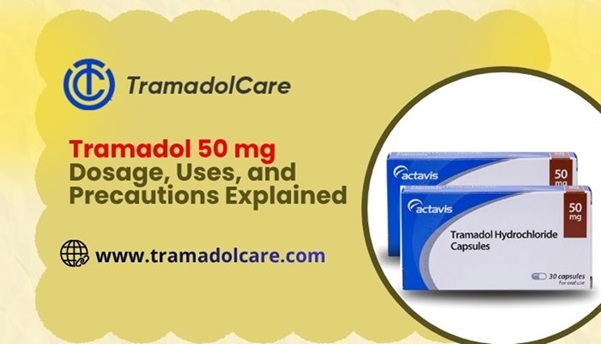
When life throws pain in your way, the knowledge of options can be a relief. Tramadol 50 mg is a medication many people turn to for treatment of moderate to moderately severe pain.
But, how much do you really know about this medicine? Let us get into details about Tramadol 50 mg like what it is, how it works, when to use it, and precautions you should take while using it, in a friendly, easy-to-understand manner.
When and why is Tramadol 50 mg used?
Tramadol 50 mg is a medicine you may have heard of when the focus is pain caused by injury, surgery, or other chronic conditions such as arthritis. It serves well for mild to medium intensity pain; it scarcely works as a first choice for very mild or very acute pain.
Some typical uses of Tramadol 50 mg include:
- Postoperative pain after surgery
- Bone fractures, injuries, and pain
- Long-term conditions with ongoing pain, for example, arthritis or back issues
- Sometimes for nerve pain
Also, keep in mind that Tramadol 50 mg is often one component in a generalized pain management plan and is useful when less potent painkillers do not provide adequate relief.
Dosing tips
Proper use of Tramadol 50 mg increases its benefit and decreases the chances of unwanted effects. Usually, it is given with instructions that it may be taken every 4 to 6 hours as needed for pain. Dosing concerns will depend on the severity of the pain, age, and condition of the patient.
Here are some common usage tips for Tramadol 50 mg:
- Keep in mind the instructions given by your doctor- never exceed the prescribed dose.
- Typically, the initial dose is 50 mg- 1 tablet with a max total daily dose of 400 mg (8 tablets).
- Try to keep a fairly equal amount of time between doses and never take two doses too close together.
- Take your tablets with water; do not chop, crush, or chew extended-release forms if prescribed.
- If you feel pain, or if pain increases instead of subsiding, consult your doctor rather than increase the medication level on your own.
What precautions should you take with Tramadol 50?
Like all medicines, Tramadol 50 mg has some important precautions to ensure your consideration towards a safe use.
It is dangerous to take Tramadol with alcohol, as it ultimately increases sedation and maximum risk from other side effects occurring.
If you feel dizzy or drowsy after taking Tramadol, avoid operating machinery or driving.
Inform your healthcare provider of any other drugs you may be taking, especially antidepressants, other analgesics, or sedatives. They can interact with Tramadol.
Have a history of seizures and/or epilepsy? You should inform your doctor, since Tramadol can actually increase the risk of seizures.
Suddenly stopping Tramadol use after regular intake for a long period over a certain period is never advisable, tapering should be done with the guidance of a physician instead.
Pregnant women or women who are breastfeeding should consult their physicians prior to use.
What are the most common side effects of Tramadol 50 mg?
Most people can handle Tramadol 50 mg, but any sort of medication does cause some side effects, usually mild ones, that tend to cease after the body’s adaptation.
- Feeling dizzy or sleepy
- Nausea or vomiting
- Constipation
- Being dry in the mouth
- Sweating
If you feel any side effect bothering you or you observe something unusual such as changes in the mood or difficulty in breathing, seek medical help.
Final thoughts
Tramadol 50 mg pill is a handy option when dealing with moderate pain that just continues to stay on the fly. The best way to get through this medication safely is by always using it for directed purposes, knowing how it works, and going through a set of precautions. If you ever find yourself in doubt about using Tramadol or about its dosage, it will always be a wise choice to have a word with your doctor or pharmacist.
