

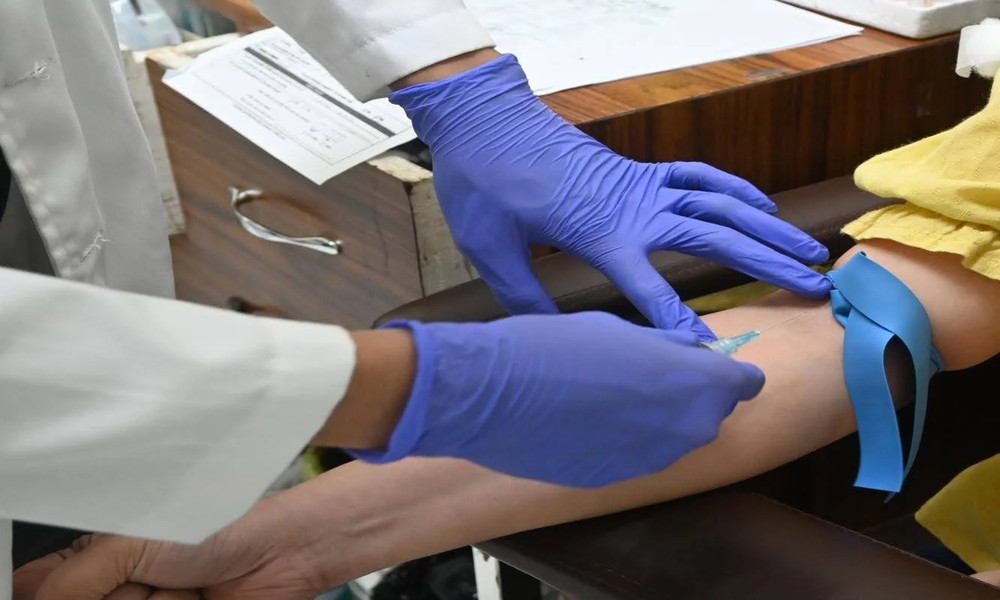
Preparing for a pre-employment medical exam is an important step before officially starting a new job. For many companies, this process helps confirm that an applicant is physically ready for the role and can safely perform the duties required. One common part of the medical evaluation is blood glucose testing, especially when employers require a complete health assessment before issuing a medical certificate.
While the process may sound intimidating, it is usually straightforward when you know what to expect. Understanding how to prepare can help you avoid delays, reduce stress, and get more accurate results during your medical checkup.
Why Blood Sugar Testing Is Included in Pre-Employment Medical Exams
Pre-employment medical exams are designed to assess a person’s general health condition. Blood sugar testing may be included to check whether your glucose levels are within a healthy range. This can help detect possible signs of diabetes, prediabetes, or other blood sugar concerns that may need medical attention.
For job applicants, this does not automatically mean disqualification. In many cases, the goal is to identify health risks early and guide the applicant toward proper care if needed. Employers may also require this test for roles that involve physical work, long shifts, safety-sensitive tasks, or responsibilities that require consistent alertness.
What to Prepare Before Your Medical Exam
Before going to the clinic or diagnostic center, it is best to review the instructions given by your employer or healthcare provider. Some blood sugar tests require fasting, while others may not. Following the correct preparation steps helps ensure that your results are reliable.
Bring the Required Documents
Prepare a valid ID, company referral form if provided, previous medical records if relevant, and any instructions from your employer. These documents help the clinic verify your identity and process your results properly.
Follow Fasting Instructions
Some glucose tests require fasting for several hours. If fasting is required, avoid eating or drinking anything except water within the recommended period. Drinking water is usually allowed and may help make blood extraction easier.
Inform the Clinic About Medications
If you are taking maintenance medicine or supplements, let the healthcare provider know before the test. Some medications may affect blood sugar levels, and the medical staff may need this information when reviewing your results.
Understanding the Role of Glucose Testing
During the middle part of the pre-employment process, many applicants encounter diabetes test philippines requirements as part of their laboratory screening. This may involve fasting blood sugar, random blood sugar, or other glucose-related tests depending on the employer’s medical standards.
A fasting blood sugar test checks glucose levels after a period without food. A random blood sugar test measures glucose at any time of the day. In some situations, additional testing may be recommended if initial results need further review.
The important thing is to prepare properly and avoid habits that may affect your results. Eating a heavy meal before a non-fasting test, skipping sleep, or ignoring fasting instructions can influence your glucose reading.
How Results Affect Medical Certification
After your tests are completed, a doctor reviews the findings together with your overall health assessment. The result of the blood sugar test is only one part of the full medical evaluation. Other checks may include blood pressure, physical examination, vision screening, urine test, chest X-ray, or additional laboratory work depending on the company’s requirements.
If your glucose result is within the acceptable range, the medical certification process may proceed smoothly. If the result is high or needs confirmation, the doctor may request follow-up testing or medical clearance before completing the certificate.
What a Fit-to-Work Certificate Means
A fit-to-work certificate confirms that a doctor has reviewed your medical status and determined whether you are physically suitable for employment. This document may be required before onboarding, especially for jobs with health and safety considerations.
Applicants may also need a doctor medical certificate fit to work document after completing their pre-employment medical exam. This certificate should come from a licensed medical professional who can properly assess your test results and overall condition.
It is important not to self-interpret your laboratory results. A doctor can explain what the numbers mean, whether further testing is needed, and what steps to take if your glucose level is outside the normal range.
Practical Tips Before Your Appointment
Get Enough Rest
Lack of sleep may affect your overall condition during the exam. Try to rest well the night before your schedule.
Avoid Alcohol and Heavy Meals
Alcohol and very heavy meals may affect certain lab results. Keep your meals balanced before the testing day, unless fasting is required.
Arrive Early
Arriving early gives you enough time for registration, document checking, payment if needed, and preparation before the test.
Ask Questions When Unsure
If you are uncertain about fasting, medications, or test instructions, ask the clinic before your appointment. Clear instructions can help prevent repeat testing.
Conclusion: Prepare Early for a Smoother Medical Certification Process
A pre-employment medical exam is easier to manage when you understand what to prepare. Blood sugar testing is a routine part of many health screenings and can provide useful information about your wellness before starting work.
By following fasting instructions, bringing the right documents, informing the clinic about medications, and consulting a qualified doctor, you can make the process more efficient. Proper preparation helps you avoid unnecessary delays and gives you a clearer path toward completing your medical certification requirements.
