

Understanding the Anatomy of a Roller Bandage
The Different Types of Roller Bandages: Which One to Choose?
Roller bandages are essential tools in both medical and home first-aid kits, serving various purposes from securing dressings to providing support to injured limbs. The primary types of roller bandages include cohesive and non-cohesive bandages, elastic bandages, and cotton variety, each tailored to specific use cases. Cohesive bandages are designed to stick to themselves, which can be advantageous in situations where non-slip support is required, without adhering to the skin or hair. Non-cohesive bandages, on the other hand, typically require the use of additional adhesive substances, making them suitable for bandaging wounds where more robust support is needed. Elastic bandages are intended for compression therapy and to provide support for sprains or strains; their stretchable nature allows for a snug fit that adjusts with the body, while cotton bandages are often favored for covering and protecting wounds because of their softness and breathability. Determining the right type often comes down to the specific nature of the injury or the desired level of compression and support, making it essential to have a variety of bandages available to suit different first aid needs.
Materials Matter: Exploring Cotton, Elastic, and More
The effectiveness of a roller bandage often hinges on its material composition. Cotton bandages are widely regarded for their comfort and absorbency. They are particularly useful for managing larger wounds, as they can soak up any discharge while providing a soft barrier against external contaminants. Elastic bandages are typically made from a blend of materials, including latex or spandex, which grant them both flexibility and tensile strength. These are beneficial when treating sprains or soft tissue injuries, as they conform well to body contours and offer the necessary compression without restricting blood flow. In contrast, cohesive bandages, made from composite materials often including non-woven fabrics, provide unique advantages thanks to their ability to stick to themselves. This reduces the need for additional tape or clips, making them quicker and easier to apply, especially in emergency situations. Ultimately, understanding the materials that comprise roller bandages will guide more informed choices in their application and ensure optimal outcomes in first aid scenarios.
How a Roller Bandage Works: The Science Behind Compression
Compression therapy, a pivotal benefit of using roller bandages, operates on the principle of applying controlled pressure to the tissues in the affected area. This mechanism helps to reduce swelling and prevent the accumulation of fluids, notably after injuries such as sprains or strains. The science behind compression involves encouraging blood circulation, which aids in promoting healing by ensuring that vital nutrients and oxygen reach the injured tissues. Furthermore, effective compression serves to stabilize and mitigate movement in the affected area, potentially decreasing pain and discomfort. The elasticity of a well-designed roller bandage supports this process a tight enough association with the skin to maintain pressure without impairing circulation. However, achieving the ideal level of compression requires careful techniques in application; too tight, and it could compromise blood flow; too loose, and it won’t provide effective support. Therefore, understanding how compression works within the context of first aid is crucial to effectively using roller bandages to aid recovery.
Mastering the Art of Application: Step-by-Step Guide
Preparing the Wound: Essential First Steps for Safety
Before applying a roller bandage, it’s crucial to prepare the wound and the surrounding skin adequately. Start by ensuring that your hands are clean wash them thoroughly with soap and water or use hand sanitizer if soap is unavailable. Once your hands are sanitized, assess the injury to determine the extent of damage. If the wound is bleeding, apply gentle pressure with a sterile gauze cloth or a clean cloth to halt the flow. If the bandage is to be placed over a dressing, ensure that the dressing is secure and adequately positioned over the wound. For abrasions or minor cuts, gently clean the area with sterile saline or clean water, and pat it dry. It’s also important to check for any foreign objects embedded in the wound and, if necessary, seek professional medical assistance to remove them to prevent further complications. Establishing proper hygiene and clarity in the initial steps not only enhances the healing process but also minimizes the risk of infection a vital consideration for any wound care protocol.
Techniques for Efficient Wrapping: Strategies from the Experts
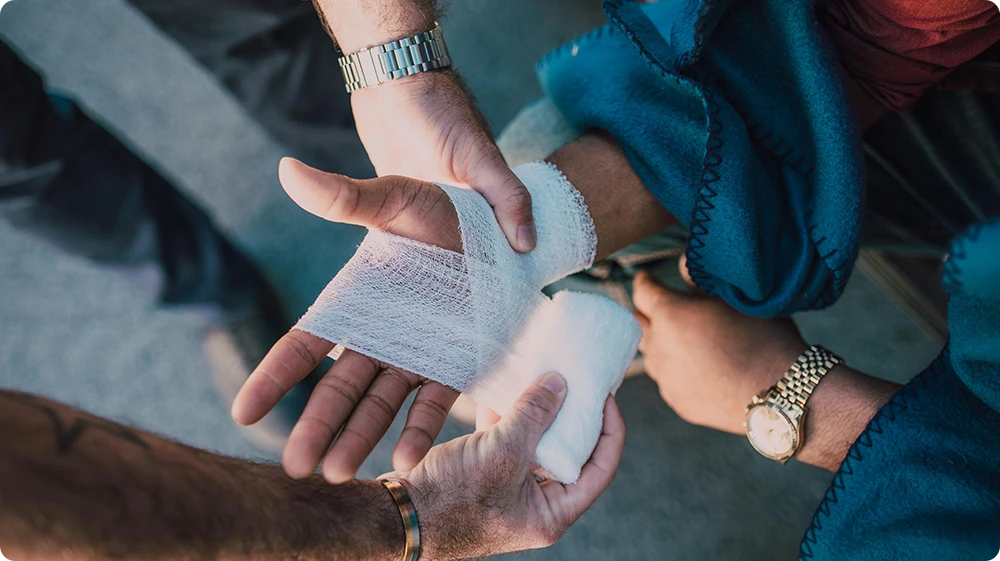
The application of a roller bandage should be executed using specific techniques to ensure effective, snug, and secure wrapping. A common approach is to start the wrap at the lower part of the injury, typically near the furthest extremity, and progressively move upwards. This method promotes better blood circulation and helps alleviate any unnecessary pressure on the wound. As you begin wrapping, it’s important to overlap each previous layer by about half the width of the bandage; this overlap ensures that there are no gaps, which could expose the wound to dirt and bacteria. Pay special attention to sensitive areas around joints, where greater movement could lead to slippage or loosening of the wrap. Offering additional support by layering some sections more densely may help in immobilizing possibly sprained areas. Ensure the band is not overly tight; you should be able to slide a finger underneath the bandage easily. Monitoring the fingers or toes checking for color, warmth, and sensation post-application is essential to ensure that circulation remains intact.
Common Mistakes to Avoid: What Not to Do When Using a Roller Bandage
Despite the apparent simplicity involved in applying a roller bandage, several mistakes can hinder the effectiveness of the treatment. One prevalent error is wrapping the bandage too tightly, leading to restricted blood flow, numbness, or tingling sensations, which could exacerbate the situation. It’s crucial to remain vigilant about the pressure being applied and regularly checking the area to ensure blood circulation is not compromised. Additionally, failing to overlap the bandage sufficiently can leave parts of the wound vulnerable, inviting contaminants that can increase the risk of infection. Another common pitfall is neglecting to secure the end of the bandage adequately. Utilization of clips or adhesive can ensure that the bandage does not unravel and effectively holds the dressing in place. Lastly, timing is vital; applying a bandage too late after an injury can diminish its efficacy. Therefore, prompt action is encouraged to maximize healing opportunities following an accident.
Incorporating a Roller Bandage into First Aid Practice
Situations Requiring a Roller Bandage: When to Use It
Roller bandages serve critical roles in various first aid scenarios, from minor cuts and scrapes to significant sprains and strains. In situations involving soft tissue injuries where swelling and inflammation are present, these bandages become invaluable. They provide the necessary compression to help control inflammation while giving support that prevents further aggravation of the injury during movement. For example, when an individual suffers an ankle sprain, applying an elastic roller bandage immediately may help mitigate the initial swelling and support the ankle joint, enhancing stability as the injury is treated. Roller bandages can also be used for stabilization post-surgery or after larger wounds when a clean dressing needs to be fortified. They are typically used not only in professional medical settings but are equally important for personal or family first aid kits becoming essential tools for everyone to manage everyday mishaps or accidents responsibly.
Complementary First Aid Products: Enhancing Your Kit
Incorporating a roller bandage into your first aid kit should not occur in isolation. To truly prepare for various emergencies and injury scenarios, it is crucial to accompany roller bandages with several complementary products. For instance, adhesive bandages, gauze pads, antiseptic wipes, and medical tape should be included to handle general wound management effectively. Antiseptic solutions not only clean injuries but also reduce the risk of infection when combined with roller bandages that protect the wound post-cleaning. A robust pair of scissors can also assist in cutting bandages, gauze, or clothing from the injury area as needed. Cold packs are also beneficial for reducing swelling and pain in the immediate aftermath of injury. Having these complementary products readily available will enhance your response during emergencies and provide comprehensive care to injured individuals.
Real-Life Scenarios: Case Studies on Effective Use
Examining case studies where roller bandages have played pivotal roles reinforces their importance in first aid responses. Consider a scenario in a sports context, where an athlete sustains a sprained wrist during a game. A fellow team member trained in first aid may respond promptly by applying compression using an elastic roller bandage to minimize swelling. The immediate action helps reduce discomfort and stabilize the wrist until professional medical assistance is available. In another instance, during a family camping trip, one family member falls and cuts their leg on a sharp object. The guardian assesses the wound, cleans it, and secures a sterile gauze dressing in place, followed by carefully applying a roller bandage to keep the dressing secure and protected against dirt and debris. These real-life applications underscore the practical importance of not just having roller bandages on hand but mastering when and how to deploy them effectively to manage various first-aid situations effectively.
Maintaining and Caring for Your Roller Bandage
Cleaning Tips to Ensure Longevity and Hygiene
Proper maintenance and hygiene of roller bandages are key factors that determine their usability and longevity. For fabric or cotton bandages, regular washing is essential to ensure that they remain free from contaminants that could harbor bacteria. When cleaning these bandages, it’s advisable to use warm water and mild soap a solution that effectively sanitizes while preserving the integrity of the fabric. It is vital to avoid using strong detergents or fabric softeners, as these can weaken the fibers and reduce elasticity over time. For cohesive bandages, cleaning can be more challenging; however, they should be inspected regularly for wear and replaced as needed. Proper storage is also paramount; keeping bandages in a cool, dry place devoid of direct sunlight protects them from degradation, ensuring they remain effective and hygienic when it comes time to use them.
When to Replace Your Bandage: Signs of Wear and Tear
The efficacy of roller bandages significantly depends on their condition. Thus, knowing when to replace them is essential for ensuring that they perform optimally in first aid scenarios. Watch for visible signs of wear, such as fraying edges or stretched elasticity, which indicates that the bandage may no longer offer adequate support or compression. Additionally, if a bandage becomes soiled with dirt or bodily fluids and cannot be thoroughly cleaned, it should be discarded to prevent the risk of infection. A bandage that has lost its adhesive properties or has begun to peel away from the skin should also be replaced instantly, as ineffective adhesion can inadvertently expose the wound to contaminants. Overall, through careful monitoring and proactive replacement, you can ensure that your roller bandages remain a reliable part of your first aid toolkit.
Storage Solutions: Keeping Your Bandages Ready for Action
Proper storage of roller bandages is crucial for maintaining their effectiveness and ensuring they are readily available when needed. They should be kept in a designated first aid kit or container that is easily accessible and organized. To prevent tangling and damage, consider using storage solutions such as clear, labeled zip-lock bags or small bins, which not only protect the bandages but also allow for easy identification. Elevating your storage solution further could include compartments for various first aid items; for instance, one drawer for cloth and elastic bandages, another for unwrapped sterile dressings ensuring the conditions remain clean and conducive for bandage integrity. Moreover, be sure to periodically check and restock your first aid kit. This way, you can ensure that it remains equipped with effective supplies including roller bandages for any potential medical emergencies.