

Meta Title: Looking for Thyroid Cancer Treatment in Mumbai? Here’s What You Need to Know
URL: looking-for-thyroid-cancer-treatment-in-mumbai
A thyroid cancer diagnosis can feel overwhelming. Between processing the news and navigating an unfamiliar medical landscape, most patients and their families don’t know where to begin. If you’re in Mumbai, the good news is that you have access to some of India’s finest oncology specialists and treatment infrastructure, but knowing how to make the right choices matters enormously.
This guide walks you through everything you need to know: how thyroid cancer is diagnosed and staged, what modern treatment looks like, and how to find a qualified specialist who can guide your care.
What is Thyroid Cancer?
The thyroid is a butterfly-shaped gland at the base of your neck. It regulates metabolism, energy, and a range of hormonal functions. When cells within this gland begin to grow abnormally, thyroid cancer develops.
Types of Thyroid Cancer
Not all thyroid cancers behave the same way, and the type significantly affects your treatment plan:
Papillary Thyroid Cancer is the most common, accounting for nearly 80% of all cases. It tends to grow slowly and has an excellent prognosis when caught early.
Follicular Thyroid Cancer is the second most common type and can sometimes spread to other organs if left untreated.
Medullary Thyroid Cancer originates from the C cells and may sometimes be linked to a genetic mutation, making family screening important.
Anaplastic Thyroid Cancer is rare but aggressive. It requires prompt and intensive treatment.
Understanding your specific type is the first step toward a well-planned treatment journey.
How Is Thyroid Cancer Diagnosed?
Early diagnosis dramatically improves outcomes. Most cases are discovered incidentally, during a routine neck ultrasound or a physical exam, before any symptoms appear. In other cases, patients may notice a lump in the throat, difficulty swallowing, or voice changes.
Common Diagnostic Procedures
- Ultrasound of the neck to assess the size, location, and nature of the nodule.
- Fine Needle Aspiration Cytology (FNAC), a minimally invasive biopsy that examines cells under a microscope.
- Blood tests to check thyroid hormone levels and tumour markers like thyroglobulin or calcitonin.
- CT or MRI scans for staging and to evaluate potential spread to lymph nodes.
Once diagnosis is confirmed, your oncologist will stage the cancer (I through IV) to determine the extent of disease and the most appropriate course of treatment.
What Does Thyroid Cancer Treatment Involve?
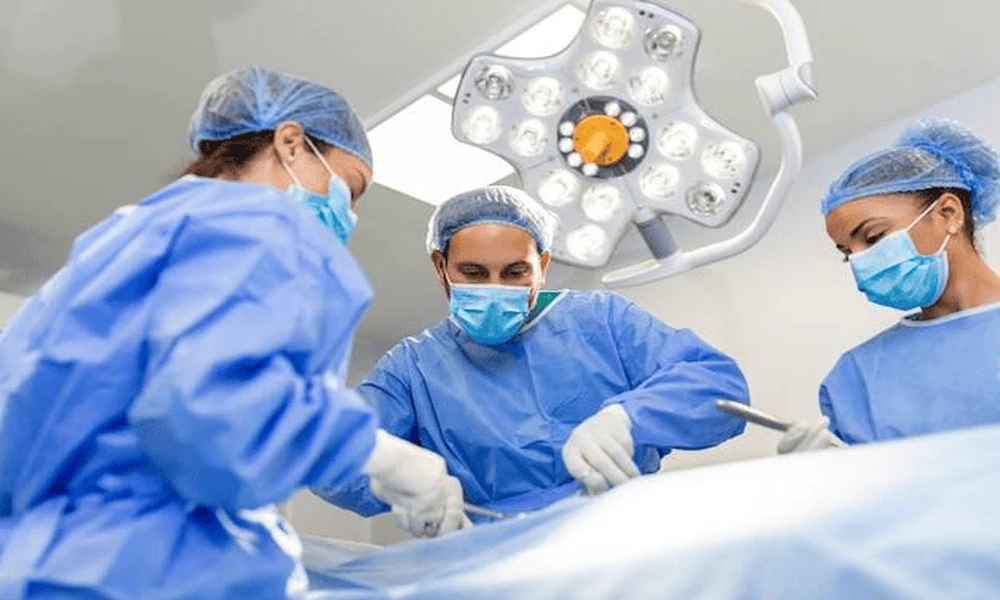
Thyroid cancer treatment in Mumbai has evolved significantly over the past decade. Most patients have access to a multidisciplinary approach, combining surgical expertise, nuclear medicine, and targeted therapies under one roof.
Surgery: The Primary Treatment
For most thyroid cancers, surgery is the first line of treatment. Depending on the size and spread of the tumour, the procedure may involve:
- Hemithyroidectomy: Removal of one lobe of the thyroid.
- Total thyroidectomy : Complete removal of the thyroid gland.
- Neck dissection: Removal of affected lymph nodes when cancer has spread to the neck region.
Precision matters here. The thyroid sits close to critical structures, the recurrent laryngeal nerve (which controls vocal cords) and the parathyroid glands. An experienced head and neck oncologist minimises the risk of complications like voice changes or calcium imbalances post-surgery.
Radioactive Iodine (RAI) Therapy
After a total thyroidectomy, many patients undergo RAI therapy. Thyroid cells – and many thyroid cancer cells, have the unique ability to absorb iodine. A radioactive form of iodine is administered orally to destroy any remaining thyroid tissue or cancer cells. This treatment is highly targeted and generally well-tolerated.
Thyroid Hormone Suppression Therapy
Post-surgery, most patients require lifelong thyroid hormone replacement. In some cases, TSH suppression therapy is used to slow the growth of any residual cancer cells by keeping TSH (thyroid stimulating hormone) levels low.
Targeted Therapy and Immunotherapy
For advanced or recurrent thyroid cancers that don’t respond to RAI, newer targeted drugs,such as sorafenib, lenvatinib, and vandetanib, have shown promising results. These are typically recommended after a thorough molecular evaluation of the tumour.
Why the Choice of Specialist Matters ?
The outcomes in thyroid cancer treatment are closely tied to the expertise of your treating physician. A specialist in head and neck oncology understands the anatomy, the subtleties of surgical technique, and the nuances of multimodal treatment in ways that a general surgeon may not.
Dr. Amit Chakraborty, a leading cancer specialist in Mumbai and one of the city’s most respected head and neck oncologists, brings years of specialised experience in managing complex thyroid and parathyroid cancers. His approach centres on precision surgery, evidence-based protocols, and personalised care, meaning your treatment plan is built around your specific diagnosis, not a template.
To book a consultation or get expert guidance on your diagnosis, reach out to Dr. Amit Chakraborty today.
Life After Treatment: What to Expect
For the majority of thyroid cancer patients, particularly those with papillary or follicular types,the prognosis is excellent. Many go on to live full, active lives with periodic monitoring.
Post-treatment follow-up typically includes:
- Regular thyroid function tests and thyroglobulin levels
- Periodic neck ultrasounds
- Whole-body scans (for patients who received RAI therapy)
- Consultation with a nutritionist to support hormonal health
The goal of follow-up is early detection of any recurrence, which if caught is highly treatable.
Conclusion: Key Takeaways
Navigating a thyroid cancer diagnosis is challenging, but Mumbai’s healthcare ecosystem offers world-class options. Here’s what to keep in mind:
- Know your type : The biology of your specific thyroid cancer shapes every treatment decision.
- Seek a specialist : Head and neck oncologists have the surgical and clinical expertise that general practitioners don’t.
- Ask about the full plan: Good cancer care integrates surgery, RAI, hormone therapy, and surveillance.
- Follow up consistently: Thyroid cancer recurrence is manageable when detected early.
- You’re not alone: With the right specialist and support, most patients with thyroid cancer go on to live healthy, fulfilling lives.
Frequently Asked Questions (FAQs)
1. Is thyroid cancer curable?
Yes, in most cases. Papillary and follicular thyroid cancers, the most common types, have a very high cure rate, especially when detected early. Even after recurrence, many patients respond well to further treatment.
2. How long does thyroid cancer surgery take?
A total thyroidectomy typically takes between 2 to 4 hours, depending on the complexity of the case and whether lymph node dissection is needed. Patients are usually discharged within 1 to 2 days.
3. Will I need to take medications for life after thyroid cancer surgery?
Most patients who undergo a total thyroidectomy will need to take synthetic thyroid hormone (levothyroxine) for life to replace the function of the removed gland. This is a simple daily tablet and is well-tolerated by most people.
4. Does thyroid cancer run in families?
Medullary thyroid cancer has a known hereditary form (MEN2 syndrome) linked to mutations in the RET gene. If you’re diagnosed with this type, genetic testing and family screening are recommended. Other types have a much weaker familial link.
5. How do I find the right head and neck oncologist in Mumbai?
Look for a surgeon with dedicated training and experience in thyroid and parathyroid cancers, not just general ENT or general surgery. Board certifications, surgical volume, and patient outcomes all matter. Dr. Amit Chakraborty is widely regarded as one of Mumbai’s leading specialists in this field, with expertise in both complex resections and minimally invasive approaches.
For more information on thyroid cancer care and to book a consultation, visit dramitchakraborty.com.
