

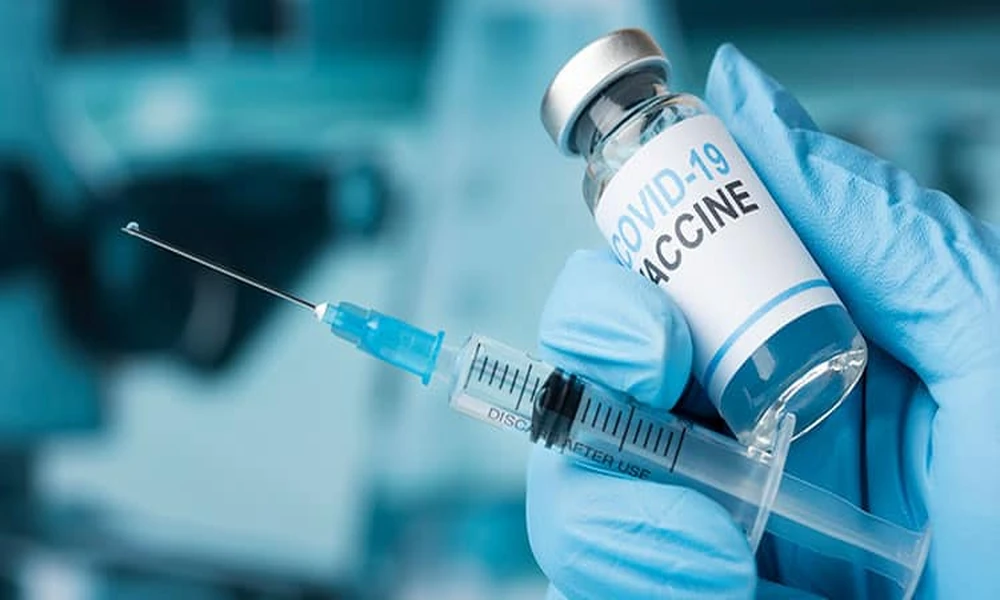
The COVID-19 pandemic has dramatically changed how the world views public health, vaccines, and virus mutations. With the emergence of new variants, understanding the role of COVID vaccination has never been more important. Vaccination not only protects individuals from severe illness but also helps curb the spread of the virus and reduces the burden on healthcare systems. Staying informed about how vaccines interact with evolving variants is key to making safe and effective health decisions.
How COVID Vaccination Works
COVID immunization works by training the body’s immune system to recognize and fight the virus. Vaccines introduce a harmless part of the virus, such as the spike protein, prompting the body to produce antibodies. This preparation allows the immune system to respond quickly if exposed to the actual virus, reducing the risk of severe illness, hospitalization, or death.
Different types of COVID vaccines, including mRNA vaccines, viral vector vaccines, and protein-based vaccines, have been authorized in many countries. While the technology behind these vaccines may differ, the goal remains the same: to equip the body with the tools to fight infection effectively.
Vaccination programs are designed to reach a broad population, prioritizing high-risk groups such as healthcare workers, the elderly, and people with chronic conditions. By achieving high coverage, communities can reduce transmission rates and protect vulnerable individuals.
Understanding COVID Variants
Viruses naturally mutate over time, and COVID-19 is no exception. Variants are versions of the virus with genetic changes, some of which may affect transmissibility, severity, or the ability to evade immunity. Common variants like Delta and Omicron have shown differences in how easily they spread and the symptoms they cause.
Although variants can pose challenges, studies consistently show that COVID vaccination remains effective in preventing severe illness and hospitalization. Even when breakthrough infections occur, vaccinated individuals generally experience milder symptoms compared to those who are unvaccinated.
Monitoring variants is a critical part of public health strategies. Scientists analyze genetic sequences, track changes in transmissibility, and evaluate how well vaccines perform against emerging strains to update recommendations when necessary.
The Importance of Booster Shots
As immunity can wane over time, booster doses are often recommended to maintain protection against both the original virus and new variants. Booster shots help reinforce the immune system and improve its ability to recognize mutated forms of the virus.
Receiving a booster is particularly important for older adults, immunocompromised individuals, and those with underlying health conditions. By staying up-to-date with recommended doses, people maximize the protective benefits of COVID vaccination and reduce the likelihood of severe outcomes.
Public health agencies provide clear guidance on booster schedules based on age, risk factors, and vaccine type. Following these recommendations ensures that individuals and communities maintain strong defenses against COVID-19.
Safety and Side Effects
Safety remains a top priority in all COVID vaccination programs. Extensive clinical trials and real-world studies have demonstrated that authorized vaccines are safe and effective. Common side effects are usually mild and short-lived, including soreness at the injection site, fatigue, or low-grade fever.
Serious adverse events are extremely rare, and health authorities continue to monitor vaccine safety globally. Understanding potential side effects helps individuals make informed choices and reduces vaccine hesitancy.
Healthcare providers are available to answer questions about side effects, contraindications, and what to do if an unusual reaction occurs, ensuring confidence in the vaccination process.
Protecting Yourself and the Community
Getting vaccinated is not only a personal health measure but also a community responsibility. High vaccination coverage slows the spread of the virus, reduces the risk of new variants emerging, and protects vulnerable populations who may be unable to receive vaccines due to medical reasons.
Even with variants circulating, COVID vaccination combined with preventive measures such as mask-wearing, hand hygiene, and staying home when sick, provides strong protection. Staying informed about the latest guidelines and booster recommendations ensures both personal and public safety.
Conclusion
COVID vaccination remains a crucial tool in combating the pandemic, even as new variants emerge. Vaccines protect against severe illness, reduce hospitalizations, and help prevent the spread of the virus. Understanding how vaccination interacts with variants, the importance of booster shots, and safety considerations allows individuals to make informed decisions.
Participating in vaccination programs, following public health recommendations, and maintaining preventive habits all contribute to building safer communities. Staying vigilant and up to date helps ensure COVID-19 is managed effectively, protecting both individual health and the broader population.
