

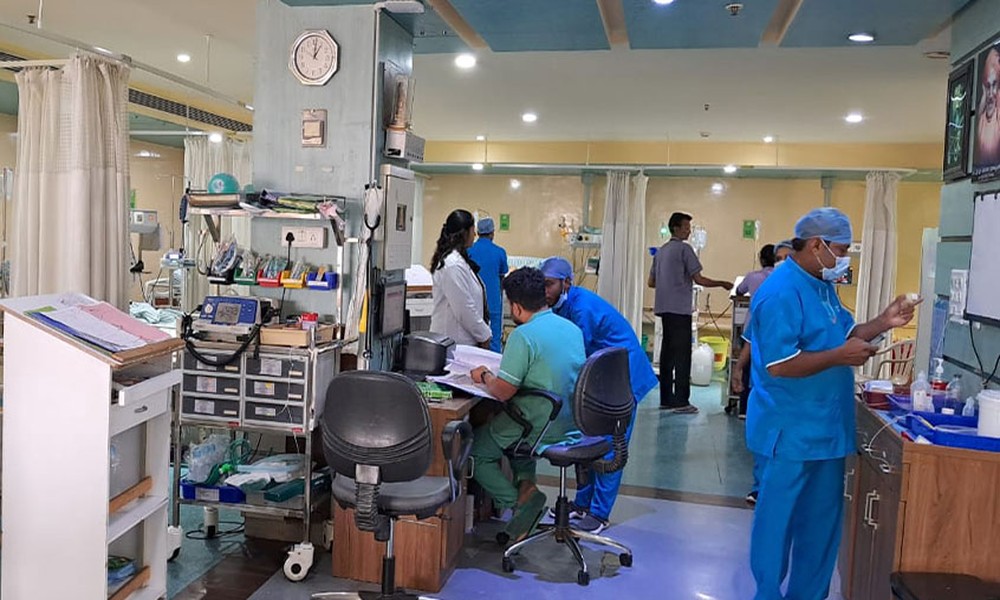
Choosing a hospital is one of the most important healthcare decisions a family makes. In a city like Bangalore, patients often have many options, from small clinics to large hospitals and speciality centres. When the condition is simple, the decision may be easy. When symptoms are unclear, when more than one organ system may be involved, or when surgery may be needed, the choice of hospital becomes more important.
A multispeciality hospital can be useful because it brings different medical departments, diagnostic support, emergency care, and treatment facilities under one system. Before booking an appointment, patients should know what to look for.
1. Check whether the hospital has the right department for your concern
The first step is simple. Match your health concern with the hospital’s departments. For example, chest pain may need cardiology evaluation. Severe knee pain may need orthopaedics. Long standing stomach discomfort may need gastroenterology. Repeated infections may need general medicine or another speciality depending on the symptoms.
A good hospital should clearly display its departments, doctors, and available services. This helps patients avoid confusion and saves time. If your symptoms are unclear, a general physician can often guide you to the correct specialist.
2. Look at doctor availability and experience
Patients often search for the best doctor, but availability also matters. A doctor’s qualification, experience, speciality area, consultation timings, and hospital location should be considered together.
If you need ongoing care, choose a hospital where follow-up appointments are practical. For elderly patients, children, pregnant women, and patients with chronic illness, continuity matters. Repeatedly changing doctors can make it harder to track progress, medicines, and test results.
3. Understand whether emergency care is available
Many people select a hospital only for planned appointments. However, emergency access is also important. A hospital with casualty or emergency support can be valuable in situations such as accidents, severe pain, sudden breathlessness, high fever, chest discomfort, uncontrolled vomiting, or serious injury.
Even if your current appointment is routine, it helps to know whether the hospital can handle urgent situations. This is especially important for families with elderly members, children, cardiac patients, diabetic patients, or people with known neurological conditions.
4. Check diagnostic support
Diagnosis often depends on more than consultation. Blood tests, X-rays, ultrasound, ECG, scans, and other investigations may be required. If these services are available within the hospital, the patient may be able to complete evaluation faster.
This is useful for people with busy schedules, elderly patients who find travel difficult, and patients who need urgent clarity. It also helps doctors review reports quickly and decide the next step without unnecessary delay.
5. Consider coordination between departments
Some health problems need more than one specialist. For example, a diabetic patient with a foot wound may need general medicine, surgery, vascular care, wound care, and diet advice. A patient with chest pain may need emergency evaluation, cardiology, lab tests, and imaging. A cancer patient may need oncology, radiology, pathology, surgery, nutrition, and supportive care.
In such cases, the strength of a multispeciality hospital is coordination. Patients should ask how referrals between departments are handled. Smooth coordination reduces confusion and helps the family understand the treatment path.
6. Review the hospital’s approach to patient communication
Medical decisions can feel overwhelming. Patients should choose a hospital where doctors and staff explain the diagnosis, treatment choices, possible risks, expected recovery, and follow-up plan in understandable language.
Before booking, you can call the hospital and observe how clearly the staff answers basic questions. Ask about appointment process, doctor availability, documents needed, location, payment options, and expected waiting time. Good communication before the visit often reflects better patient support during care.
7. Look at location and access
In Bangalore, travel time can affect healthcare decisions. A hospital may have excellent services, but if it is too far from home, follow-up visits may become difficult. Consider distance, traffic, parking, public transport, and ambulance access if needed.
For planned procedures, location matters even more because family members may need to travel repeatedly. For elderly patients, choose a hospital that is reachable without too much physical strain.
8. Understand inpatient and surgical support
If there is a possibility of admission or surgery, ask whether the hospital has operation theatre facilities, intensive care support, trained nursing staff, pharmacy, and post-operative care. Not every patient will need these services, but knowing they are available can provide reassurance.
Patients should also ask about estimated hospital stay, discharge process, follow-up visits, and emergency contact after discharge. These details make the treatment experience more organized.
9. Look for transparent guidance on cost and process
Cost is a major concern for most families. Before booking a procedure or admission, ask for an approximate estimate and understand what is included. For insurance patients, check whether the hospital accepts your insurance provider and whether cashless processing is available.
For consultations, ask about fees, appointment timing, and whether tests may be needed on the same day. Clear financial communication helps families plan without avoidable stress.
10. Check whether the hospital supports preventive care
Hospitals are often visited only when something goes wrong. However, preventive care is important, especially after 40 or in families with diabetes, hypertension, heart disease, cancer history, or bone problems. A multispeciality hospital can help with health checkups, screening, early diagnosis, and follow-up planning.
This is useful for people who want one place where different concerns can be reviewed over time.
When should you choose a multispeciality hospital?
A multispeciality hospital may be suitable when symptoms are complex, when the patient has more than one health condition, when diagnostic support is needed, or when emergency care may be required. It can also be useful when families want coordinated care across departments.
For patients looking for a Multi Speciality hospital in Bangalore, Cura Hospitals provides multispeciality care across departments, with hospital locations in Bangalore and access to doctors from several clinical areas.
Final thoughts
Before booking an appointment, look beyond the hospital name. Check the department, doctor availability, emergency support, diagnostic services, communication quality, location, inpatient facilities, and cost clarity. A careful choice can make the healthcare journey smoother for both the patient and the family.
https://healthtrustcenter.com/
Recommended SEO Title:
5 Heart Disease Myths Indian Patients Should Stop Believing
5 Myths About Heart Disease That Indian Patients Still Believe
Heart disease is one of the most serious health concerns for Indian families. Yet many patients still delay checkups because of common beliefs that feel reassuring but may be unsafe. Some people think heart disease affects only older men. Some assume chest pain must be severe before it becomes dangerous. Others believe that a normal lifestyle means there is no need for heart screening.
These myths can delay diagnosis and treatment. Heart problems often develop over many years, and early action can make a meaningful difference. Here are five common myths Indian patients should understand more carefully.
Myth 1: “I am too young to have heart disease”
Many people believe heart disease is mainly a problem after 60. Age does increase risk, but younger adults can also develop heart problems, especially when risk factors are present. Diabetes, high blood pressure, high cholesterol, smoking, obesity, poor sleep, stress, family history, and lack of exercise can increase risk even in the 30s and 40s.
In Indian patients, heart risk may appear earlier than expected in some families. A person may look active from the outside but still have high cholesterol, uncontrolled sugar, or early blockage in the arteries.
You should be more careful if a parent or sibling had heart disease at a young age, if you have diabetes, if you smoke, or if you have high blood pressure. Regular checkups become even more important when these risk factors are present.
Myth 2: “Heart attack always causes severe chest pain”
Chest pain is an important warning sign, but a heart attack may not always feel like dramatic pain. Some people feel pressure, heaviness, burning, tightness, or discomfort in the chest. Others may feel pain or discomfort in the arm, shoulder, neck, jaw, back, or stomach. Shortness of breath, sweating, nausea, dizziness, unusual tiredness, and anxiety-like discomfort may also occur.
This is why heart symptoms are sometimes mistaken for acidity, gas, muscle pain, stress, or fatigue. Women, elderly patients, and people with diabetes may have less typical symptoms. Some diabetic patients may not feel strong chest pain because long term diabetes can affect nerve sensation.
Any sudden, unusual, or persistent chest discomfort should be taken seriously, especially if it comes with sweating, breathlessness, faintness, or pain spreading to the arm, jaw, or back.
Myth 3: “Women do not need to worry about heart disease as much as men”
Heart disease is often discussed as a male problem, but women are also at risk. Women may develop heart disease later than men in many cases, but the risk rises after menopause. Diabetes, high blood pressure, obesity, smoking, thyroid problems, stress, and family history can further increase risk.
Women may also describe symptoms differently. Some may have chest discomfort, while others may report breathlessness, upper back pain, jaw pain, nausea, unusual fatigue, or stomach discomfort. Because these symptoms can seem vague, women may delay seeking care.
Women should not ignore heart risk, especially after 40, after menopause, during long standing diabetes, or when there is a family history of heart disease. Routine blood pressure checks, sugar tests, cholesterol tests, and medical review can help identify risk earlier.
Myth 4: “If I exercise or look fit, my heart must be healthy”
Physical activity is important for heart health, but looking fit does not guarantee that the heart is free from risk. A person may exercise but still have high cholesterol, high blood pressure, diabetes, smoking-related damage, sleep apnea, stress, or a strong family history.
Some people also do intense workouts without medical evaluation, especially after years of inactivity. Sudden heavy exercise can be risky for people with undiagnosed heart disease.
Fitness should include both activity and medical awareness. If you are above 40, have risk factors, or plan to start intense exercise after a long gap, it is sensible to discuss heart screening with a doctor. This may include blood pressure measurement, blood tests, ECG, and further tests if the doctor feels they are needed.
Myth 5: “If symptoms go away, there is no need to see a doctor”
This is one of the most dangerous assumptions. Some heart-related discomfort may come and go. Chest heaviness that appears during walking and improves with rest may still be a warning sign. Breathlessness during activity, repeated sweating, unexplained fatigue, or discomfort after meals should not be ignored if it keeps returning.
Temporary relief does not always mean the problem has disappeared. Some patients take antacids or painkillers and wait. This can delay proper care.
If symptoms are severe, sudden, or associated with sweating, breathlessness, fainting, or spreading pain, emergency care should be sought immediately. If symptoms are mild but recurring, book a medical consultation and explain the pattern clearly.
What should Indian patients do instead?
The better approach is prevention and timely evaluation. Know your numbers: blood pressure, blood sugar, cholesterol, weight, and waist size. Avoid smoking and tobacco. Manage diabetes and hypertension properly. Stay physically active, eat a balanced diet, sleep adequately, and do not ignore repeated symptoms.
Families should also keep emergency planning in mind. Know which hospital you would visit in case of sudden chest pain or breathlessness. Keep previous reports, medicine lists, and doctor details accessible.
When to consult a heart specialist
You should consult a cardiologist if you have chest discomfort, breathlessness, palpitations, dizziness, unexplained tiredness, swelling in the legs, high blood pressure, diabetes, high cholesterol, abnormal ECG, or a family history of early heart disease.
For patients looking for a heart hospital in Bangalore, Cura Hospitals provides cardiology care and evaluation for heart-related concerns.
Final thoughts
Heart disease myths often sound harmless, but they can delay action. Age, gender, fitness level, and temporary symptom relief should not be used as reasons to ignore warning signs. Clear awareness, timely checkups, and proper medical guidance can help patients make safer decisions for long term heart health.
